Last Updated: March 2026
California requires balcony and deck inspections for many multifamily rental properties because exterior elevated elements can deteriorate over time from moisture intrusion, dry rot, corrosion, termite damage, and deferred maintenance. When these conditions affect structural components, balconies, decks, walkways, stairways, and similar elements can become unsafe for tenants and visitors. The goal of the law is to identify hazardous conditions before they turn into a serious safety issue.
What SB 721 Means for Multifamily Rental Properties
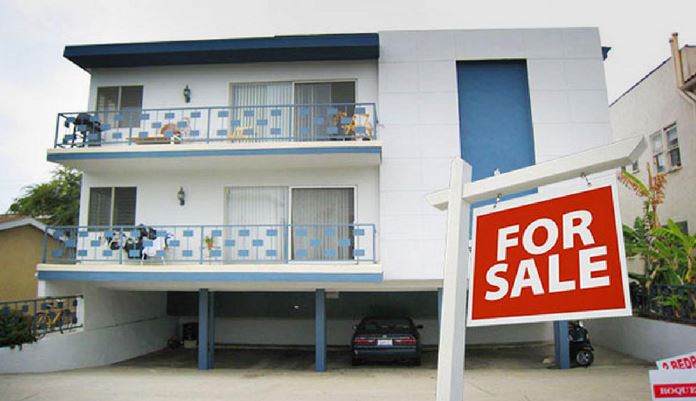
SB 721 applies to qualifying multifamily rental buildings in California with three or more dwelling units. It requires inspections of certain exterior elevated elements and associated waterproofing components to help determine whether those elements remain in a generally safe condition. This law applies to apartment properties and other qualifying multifamily rentals, not to HOA-governed condominium associations.
Current SB 721 Inspection Deadline
The current deadline for the initial SB 721 inspection is January 1, 2026. After that, inspections are required every six years. This deadline is important for owners of qualifying apartment and multifamily rental properties that contain exterior elevated elements supported in whole or in substantial part by wood or wood-based products.
What Types of Structures Are Covered
SB 721 generally applies to exterior elevated elements such as balconies, decks, porches, stairways, walkways, and entry structures that extend beyond the exterior walls of the building, are more than six feet above ground level, are designed for human use, and rely in whole or in substantial part on wood or wood-based products for structural support or stability. Associated waterproofing systems are also part of the inspection because hidden water intrusion is often one of the main causes of structural deterioration.
Who Can Perform an SB 721 Inspection
Depending on the property and local requirements, an SB 721 inspection may be performed by a licensed architect, a licensed civil or structural engineer, certain qualified contractors, or a certified building inspector or building official where permitted. The purpose of the inspection is to evaluate whether the exterior elevated elements and their associated waterproofing systems are in adequate working order and free from hazardous conditions caused by deterioration, decay, fungus, or improper alteration.
How Much of the Property Must Be Inspected
SB 721 requires inspection of at least 15 percent of each type of exterior elevated element on the property. This sampling approach is intended to identify recurring conditions that may affect similar components throughout the building. If the inspection reveals signs of widespread deterioration, additional review or corrective work may be needed.
What the Inspection Report Is Intended to Do
The inspection report establishes a baseline record of the condition of the components inspected. It may include photographs, testing results where needed, and written observations about deterioration, damage, or other safety concerns. If repair or replacement is recommended, the property owner is expected to address those conditions in accordance with applicable codes and permitting requirements.
What Happens if an Unsafe Condition Is Found
If the inspection identifies an immediate threat to occupant safety, action may be required right away. That can include restricting access to the affected area, performing emergency shoring, or taking other preventive measures until permanent repairs are completed. For owners and managers, early identification can make the difference between a manageable repair project and an urgent safety problem that disrupts occupancy.
Why Owners Should Not Wait Until the Last Minute
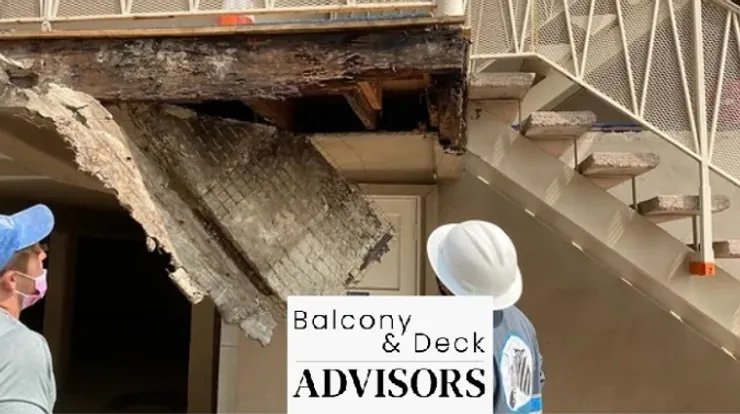
Exterior elevated elements often show little visible damage until hidden framing or waterproofing failures have already progressed. A balcony can appear serviceable on the surface while concealed moisture has already caused significant structural deterioration underneath. Scheduling inspections early gives owners more time to review findings, plan repairs, coordinate access, and budget for corrective work without unnecessary pressure.
SB 721 Is Not the Same as SB 326
SB 721 is often confused with SB 326, but the two laws apply to different property types. SB 721 applies to qualifying multifamily rental buildings, while SB 326 applies to qualifying condominium and HOA-governed common interest developments. Keeping those categories separate is important because the inspection timing, responsible parties, and compliance framework are not the same.
These Requirements Are Separate From Seismic Retrofit Laws
Balcony and deck inspection requirements should not be confused with seismic retrofit mandates. SB 721 focuses on the physical condition and safety of exterior elevated elements and associated waterproofing systems. Seismic retrofit laws address earthquake performance and are governed separately through other state and local requirements. A property may have obligations under one set of rules, the other, or both depending on the building type and jurisdiction.
How LA Construction Consultants Can Help
LA Construction Consultants helps multifamily property owners understand how SB 721 applies to their building, what the inspection process is likely to involve, and how to move from inspection findings to practical repair planning. We help clients evaluate scope, organize next steps, compare qualified bids, and reduce confusion around balcony compliance requirements so they can make better-informed decisions for their property.
Need Help Preparing for SB 721 Compliance?
If you own or manage a qualifying multifamily rental property in Los Angeles, now is the time to review whether your building is subject to SB 721 and prepare for the January 1, 2026 inspection deadline. Reach out to discuss your property, inspection planning, repair coordination, or bid review support.